Master Casino Games Now With Strategies That Win Big Tonight

A player sits at a digital blackjack table, placing chips as the dealer reveals a ten and a six, hoping their next card pushes their hand toward twenty-one. Casino games operate on a straightforward premise: players wager money on outcomes determined by chance, skill, or a blend of both, with each game offering its own rules, payout structures, and house edge. They provide immediate entertainment through structured risk, where the core appeal lies in the tension between a potential win and the inevitable mathematical advantage held by the house. The core benefit is accessible, instant engagement—a single spin, hand, or roll can deliver a result within seconds, making every session a compact loop of decision, anticipation, and resolution.
What Exactly Are Casino Games and How Do They Work?
Casino games are structured activities where players risk money on outcomes determined by a combination of chance, skill, or a fixed mathematical edge. They work by using random number generators (RNGs) for digital games, which ensure each spin, card deal, or dice roll is independent and unpredictable. Table games like blackjack and poker introduce skill elements, as player decisions affect the house edge, while games like roulette and slots rely purely on probability. The core mechanism is the house advantage, a built-in statistical margin ensuring the casino profits over time, not on every hand or spin. This edge is calibrated through payout ratios, table limits, and game rules.
Ultimately, every casino game operates on a transparent trade-off: you trade a known negative expectation for the chance of a short-term win.
Understanding this dynamic is essential for managing bankroll and expectations, as outcomes are never guaranteed.
The Core Mechanics Behind Every Spin, Card, and Roll
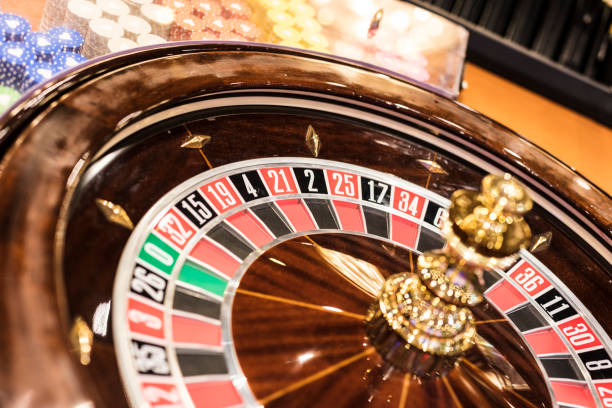
Every spin, card, and roll boils down to a **random number generator (RNG)** or a physical shuffle. Slots use RNGs that fire thousands of numbers per second; the moment you hit “spin,” the current number maps to a symbol set. Table games like blackjack rely on a deck’s composition—your odds shift as cards are removed, which is why counting works. Craps dice follow true physics (toss, bounce, roll), but the casino sets the payout ratios to favor the house. Roulette’s wheel and ball are mechanical, yet the zero pockets create the edge. Understanding these engines tells you which games reward skill (poker, blackjack) versus pure chance (slots, roulette).
Random Number Generators: Why Outcomes Are Always Unpredictable
At the heart of every digital slot, roulette spin, or card shuffle lies a Random Number Generator (RNG), a cryptographic algorithm producing sequences with no discernible pattern. The system continuously generates thousands of numbers per second, even when no one is playing. Your action simply freezes the current value, which is then mapped to a specific symbol or hand. Because the next number is not derived from the previous one in any predictable way, previous outcomes offer zero statistical leverage for future results. This ensures each spin or deal is an independent event, making the outcome genuinely unknowable in advance and immune to pattern analysis or timing exploits.
- RNGs are re-seeded constantly with entropy sources, preventing any cycle from being exploited.
- Certified algorithms undergo independent testing to verify true unpredictability, not just statistical uniformity.
- No betting strategy, bet size, or timing can influence the next generated number.
- Every result is mathematically isolated, so streaks are coincidental, not causal.
House Edge Explained: How the Odds Are Stacked in the Casino’s Favor
The house edge is the mathematical advantage baked into every casino game, ensuring the casino profits over time. It represents the average percentage of each wager the house keeps, calculated from the difference between true odds and payout odds. For example, roulette’s single zero gives a 2.70% edge, while slots can exceed 10%. This means you’re paid less than the actual probability of winning warrants, guaranteeing long-term losses. Understanding how the odds are stacked in the casino’s favor helps you choose games with lower edges, like blackjack or baccarat, preserving your bankroll for more play.
How to Choose the Right Casino Game for Your Playing Style
Choosing the right casino game starts with being honest about your temperament. If you love fast decisions and don’t mind a steep learning curve, blackjack or baccarat offer a blend of skill and quick rounds. Prefer pure luck and a relaxed pace? Then slots or roulette let you sit back, spin, and enjoy the visuals without pressure. For social players, live dealer poker or craps thrive on table interaction and group energy. On the flip side, if you crave strategy and deep control, video poker gives you a chance to influence the odds with every card you hold. Always match the game’s volatility to your bankroll—high-variance games drain fast but pay big, while low-variance options stretch your session. Finally, test free versions first to feel the flow. Your playing style is your compass; let it guide your picks.
Low-Risk Options: Slots and Roulette for Casual Players
For casual players, low-risk casino game selection hinges on controlling volatility and bet size. Slots with high hit frequency and low maximum multipliers offer extended play without sharp bankroll swings, while European roulette’s single zero reduces the house edge to 2.7%, making outside bets (red/black, odd/even) a steady, near-even-money proposition. A minimum table bet on roulette combined with a fixed session loss limit transforms the game into a slow-burn entertainment option rather than a chase. Stick to penny or nickel slots for small, frequent payouts, and set a spin count cap before starting. Avoid progressive jackpots, as their reduced base-game returns undermine casual risk tolerance.
Slots and roulette, played with minimal stakes and outside bets, deliver the gentlest learning curve and most forgiving bankroll dynamics for casual players.
Skill-Based Choices: Blackjack and Poker for Strategic Thinkers
If you thrive on calculated decisions rather than pure chance, skill-based choices like blackjack and poker are your arena. Blackjack rewards disciplined strategy—mastering basic charts and card counting can shave the house edge to under 0.5%, turning each hand into a test of probability and nerve. Poker, especially Texas Hold’em, pits your read of opponents against their tells and betting patterns, where long-term profit hinges on position, pot odds, and emotional control. Choose blackjack for a fast, structured challenge; choose poker if you prefer slower, psychology-driven battles. Whichever you pick, study first:
- Memorize blackjack’s basic strategy to cut errors.
- Learn poker hand rankings and starting hand ranges.
- Track your bankroll rigorously and set session limits.
Your edge grows with every session, so never rely on luck—outthink the game.
Fast-Paced vs. Slow-Paced: Matching Game Tempo to Your Patience Level
Game tempo directly filters your options before you consider rules or payouts. Fast-paced games like slot spins or rapid-fire roulette cycles suit players who crave immediate resolution and get restless during prolonged deliberation. Conversely, slow-paced tables like baccarat or live poker offer extended intervals for reading opponents, recalculating odds, and letting bets breathe. The key is matching game tempo to your patience level—if a 30-second slot spin feels frantic, your decision quality drops; if a two-minute poker turn feels tedious, you’ll rush or tilt. Test demo modes with a timer to measure your emotional response to each rhythm.
Q: How do I know if a game’s tempo is wrong for me?
A: Track your focus—if you find yourself checking your phone between blackjack hands, that game is too slow; if you’re betting impulsively just to speed up a roulette sequence, it’s too fast.
Essential Features of Modern Casino Games You Should Know
Understanding the essential features of modern casino games starts with volatility, which dictates how often and how large payouts land—high-volatility slots offer rare but massive wins, while low-volatility titles keep your bankroll buzzing with frequent smaller hits. Look for Return-to-Player (RTP) percentages above 96% to gauge long-term value, and always check the hit frequency indicator. Bonus mechanics like cascading reels, expanding wilds, or pick-and-click rounds are not just flashy—they actively reshape your win potential by multiplying active paylines. Modern titles also integrate skill-based side bets or interactive bonus levels, giving you agency beyond pure chance. Finally, in-game features like gamble buttons, free spin retriggers, and progressive jackpot pools are core signposts of a game’s depth. Mastering these elements lets you tailor every spin to your risk appetite and playing style.
Bonus Rounds and Free Spins: How to Trigger Them
Triggering bonus rounds and free spins typically hinges on landing a specific combination of scatter symbols anywhere on the reels, not just on a payline. In many modern video slots, three or more scatters activate the feature, while some games require a dedicated bonus symbol on a particular reel. Free spins are often retriggerable during the round by landing additional scatters. Alternatively, progressive bonus rounds may trigger randomly after any spin, independent of symbol outcomes. Some titles offer a “buy bonus” option, letting you pay a fixed multiple of your bet to instantly enter the free spins feature, bypassing the base-game grind entirely.
Progressive Jackpots: The Mechanics of Growing Prize Pools
Progressive jackpots pool a small percentage of every wager placed across connected games into a single, shared prize fund. This incremental contribution—often 1–5% of each spin or hand—directly fuels the visible meter, which climbs until one player hits the required combination. The prize resets to a predetermined base amount after a win, with the difference between that base and the jackpot representing the accumulated player contributions. Some progressives are linked across multiple casinos or platforms, dramatically accelerating growth, while standalone machines grow more slowly. The displayed amount is always the current cash value, not a future annuity, and you can typically check the contribution rate in the game’s paytable. Understanding reset values and contribution rates helps you assess whether a progressive is worth playing, as only the portion above the base amount truly reflects recent pool growth.
Progressive jackpots grow by funneling a share of every bet into a visible prize pool, resetting to a base value after a win, and the current cash amount reflects all unfunded contributions plus the initial seed.
Live Dealer Formats: The Experience of Real-Time Play from Home
Live dealer formats bridge the digital gap by streaming a physical table, croupier, and real cards directly to your screen, creating a continuous, human-paced session rather than algorithm-driven spins. You place chips via an interface while watching the dealer’s hands, and the interaction—chatting with the host or seeing them acknowledge your bet—adds a layer of trust that RNG games cannot replicate. The timing is deliberate, so you must stay attentive to the betting window, while camera angles shift to reveal every shuffle and payoff. This real-time dependency means your internet stability directly affects your decision-making window, not just your visual quality. For a smoother experience, choose tables with a dedicated connection indicator and prefer games offering low-latency streams if you value authentic live casino immersion from home.
Practical Tips for Maximizing Enjoyment and Minimizing Losses
Set a strict loss limit before you play and treat it as a fixed entertainment expense, not an investment. Choose games with lower house edges, like blackjack or baccarat, to stretch your bankroll. Use the 50/30/20 rule: wager only 50% of your session budget, save 30% for unexpected variance, and reserve 20% as guaranteed take-home cash. Time-box sessions with a timer to prevent chasing losses, and always play with free casino bonuses or demo modes first to learn rules without risk. For slots, select lower volatility machines to prolong gameplay. Cash out winnings immediately into a separate pocket, and never increase bets after a win—reset to your base unit. Lastly, avoid alcohol and fatigue, as both impair judgment and lead to impulsive decisions that accelerate losses. Enjoy the social atmosphere and strategic challenge, but view every spin or hand as a paid thrill, not a path to profit.

Setting a Bankroll: How Much to Bring and When to Stop
Your bankroll should be a fixed amount you can afford to lose, ideally no more than what you’d spend on a night out, and split into smaller sessions to stretch play. Before you sit down, set a hard loss limit—typically 20–30% of your session bankroll—and walk away the moment it’s hit. Equally, predefine a winning target, such as doubling your buy-in, and stop there to lock in profits. Never chase losses by dipping into rent or savings; cash only, no cards. Setting a bankroll and quitting thresholds beforehand removes emotional decisions, keeping the game fun rather than stressful.

Bring only cash you can lose, split it per session, and stop automatically at your pre-set loss or win limit.
Betting Strategies: Flat Betting vs. Martingale for Table Games

When managing your bankroll at table games, flat betting versus Martingale defines two polar approaches. Flat betting—wagering the same amount every round—keeps losses predictable and your session longer, ideal for casual play. Martingale, doubling after each loss, promises quick recovery but demands a hefty bankroll and table limits can crush a losing streak. For most players, flat betting reduces emotional swings and protects your funds. If you try Martingale, set a strict cap on doubles. Here’s a practical sequence: 1) Choose a base unit you can afford to lose 20 times. 2) Apply flat betting for table games like blackjack or baccarat. 3) Only switch to Martingale for short bursts with a pre-set loss limit.
Identifying High Payout Percentages Before You Start Playing
Before you sit down at any game, check the posted payout percentage or look up the RTP (Return to Player) online—it’s the single best way to spot high payout percentages before you start playing. Focus on games that advertise 96% or higher, and avoid mystery machines where the house edge isn’t visible. A difference of just 2% can cost you hours of fun, so treat it like comparing prices before buying. Here’s a quick sequence:
- Find the paytable or game info screen—most slots and table games list RTP there.
- Cross-check that number with a trusted casino review site if it’s not obvious.
- Pick the variant with the new online casinos UK highest percentage, like blackjack with 99.5% versus a 95% side bet.
That’s it—lock in the math first, then play with a clear head.

Frequently Asked Questions About Playing Casino Games
Frequently asked questions about playing casino games typically center on immediate mechanics, not broader topics. Players often ask how game rules and payout odds differ between slots, blackjack, or roulette, since each has distinct house edges and skill components. Another common query concerns bankroll management, specifically how to set loss limits or choose bet sizes that sustain longer sessions. Practical answers also address procedural steps, like how to cash out winnings, whether free spins expire, or if progressive jackpots require maximum bets. Many ask about session pacing—how long to play before taking breaks—and whether demo modes accurately reflect real-money behavior.
The most useful FAQ answers focus on immediate actions: what to click, what to wager, and when to stop.
Finally, questions about player etiquette at live dealer tables or how to verify a win’s payout timeline round out the practical, user-driven concerns.
Can You Practice Casino Games for Free Before Wagering Real Money?
Yes, you can absolutely practice casino games for free before committing real money. Nearly every online casino offers a **demo or practice mode** for slots, blackjack, roulette, and poker, letting you play with virtual credits. This is ideal for learning rules, testing betting strategies, and understanding game volatility without financial risk. You simply select “play for fun” instead of “real money” at the game lobby. Free play mirrors the exact mechanics of paid rounds, though you won’t win cash payouts. Use this mode to build confidence and refine your approach, then switch to real stakes when you feel prepared.
Free practice modes let you master any casino game risk-free, so you only wager real money when you are truly ready.
What Is the Difference Between RTP and Volatility in Slots?
RTP and volatility answer two different questions about a slot. RTP—Return to Player percentage—tells you the theoretical long-term payback, like 96%, meaning you’d get $96 back per $100 wagered over millions of spins. Volatility, however, describes the risk pattern: high-volatility slots pay big but rarely, while low-volatility ones pay small wins constantly. Think of RTP as the overall house edge and volatility as the ride’s bumpiness. A slot with 98% RTP can still feel brutal if its high volatility leaves you dry for 200 spins. You can’t control RTP, but you can pick volatility to match your bankroll and patience.
| Aspect | RTP | Volatility |
|---|---|---|
| What it measures | Average return over time | Win frequency and size |
| Example | 97% → expected $97 back | High → rare huge wins |
| Player choice | Fixed by game | Selectable via game pick |
Are Certain Games Easier to Win Than Others, and Which Ones?
Yes, certain games are objectively easier to win than others, and the difference comes down to house edge. Blackjack, when played with basic strategy, offers one of the lowest advantages for the casino, making it a top choice for players seeking a real chance at profit. Baccarat’s banker bet also wins frequently due to its slim 1.06% house edge, while craps’ pass line bet gives you nearly even odds. In contrast, slot machines and keno carry much higher built-in margins, meaning they drain your bankroll faster. Choosing low-house-edge casino games is your smartest move for maximizing winning potential.
Q: Are certain games easier to win than others, and which ones?
A: Absolutely—stick to blackjack, baccarat (banker bet), and craps (pass/don’t pass) because their favorable rules and low edges reward skill and smart betting far more than luck-driven slots.